


 Back
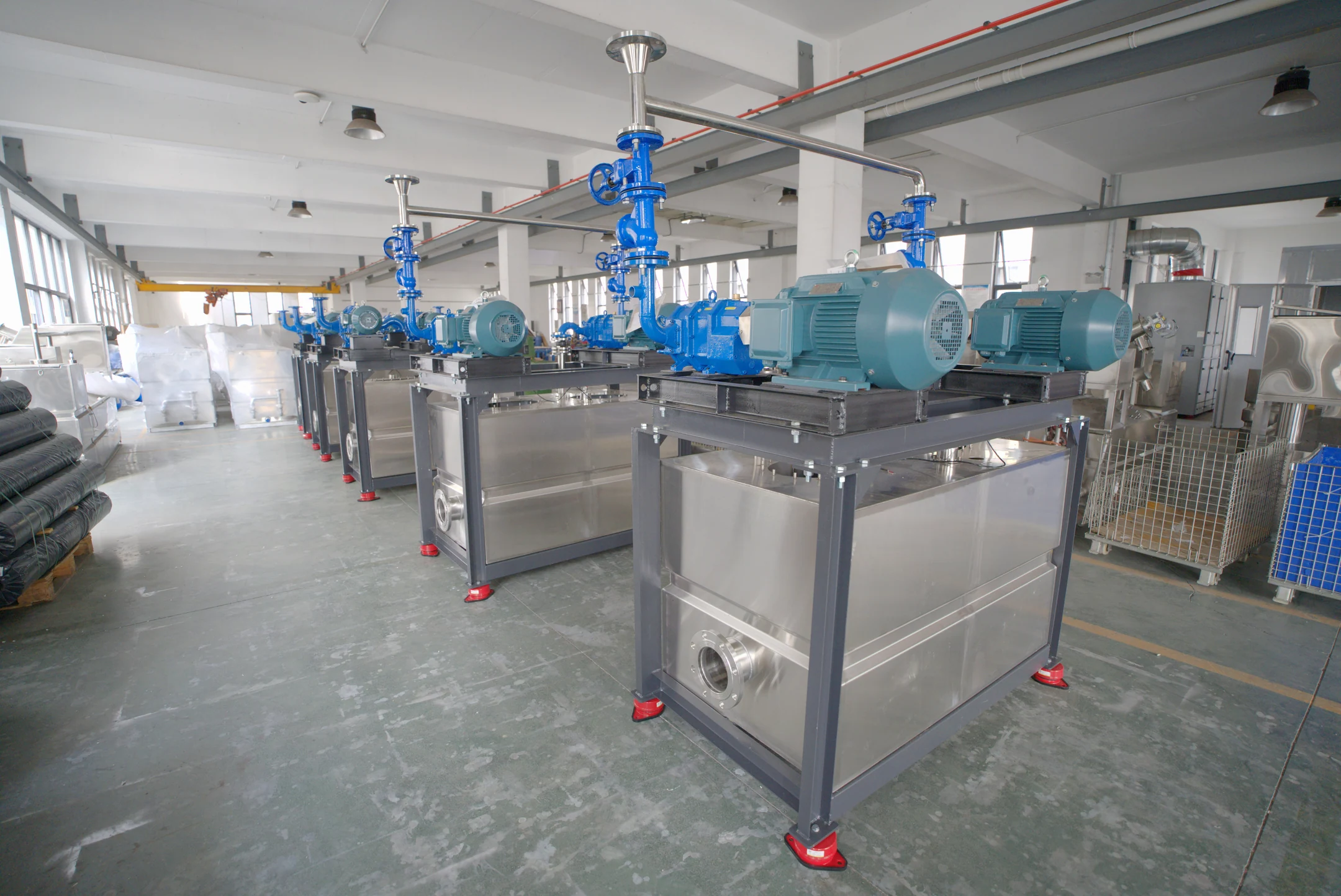
EPANEL · LOW-LEVEL DRAINAGE
Enclosed Rotary Lobe Sewage Lifting Unit
From lower ground.
A clear way up.
Enclosed collection · Rotary lobe pumps · Automatic level control
A considered drainage route from underground spaces to the building network.
- 01 /Enclosed collection
Keep collection within the system
- 02 /External pump set
Accessible for routine inspection
- 03 /Level-based control
Start and stop with changing levels
BENEATH THE BUILDING. PART OF EVERYDAY LIFE.
Beyond what you see.
Still worth every detail.
Where gravity cannot finish the journey, the system takes over.
Enclosed collection, pumping and level control, working together.
A clear drainage route for underground and low-level spaces.
01 / EXPLORE IN 3D
Considered design.
From every angle.
Scroll down to see the components separate and reassemble. Click the model to explore each connection yourself.
Assembled · Separated · ReassembledFully assembled
Interactive 3D exploration
Rotate / Separate components / Explore service access
Independent window experience ↗02 / SYSTEM STRUCTURE
Integrated as one.
Considered in every detail.
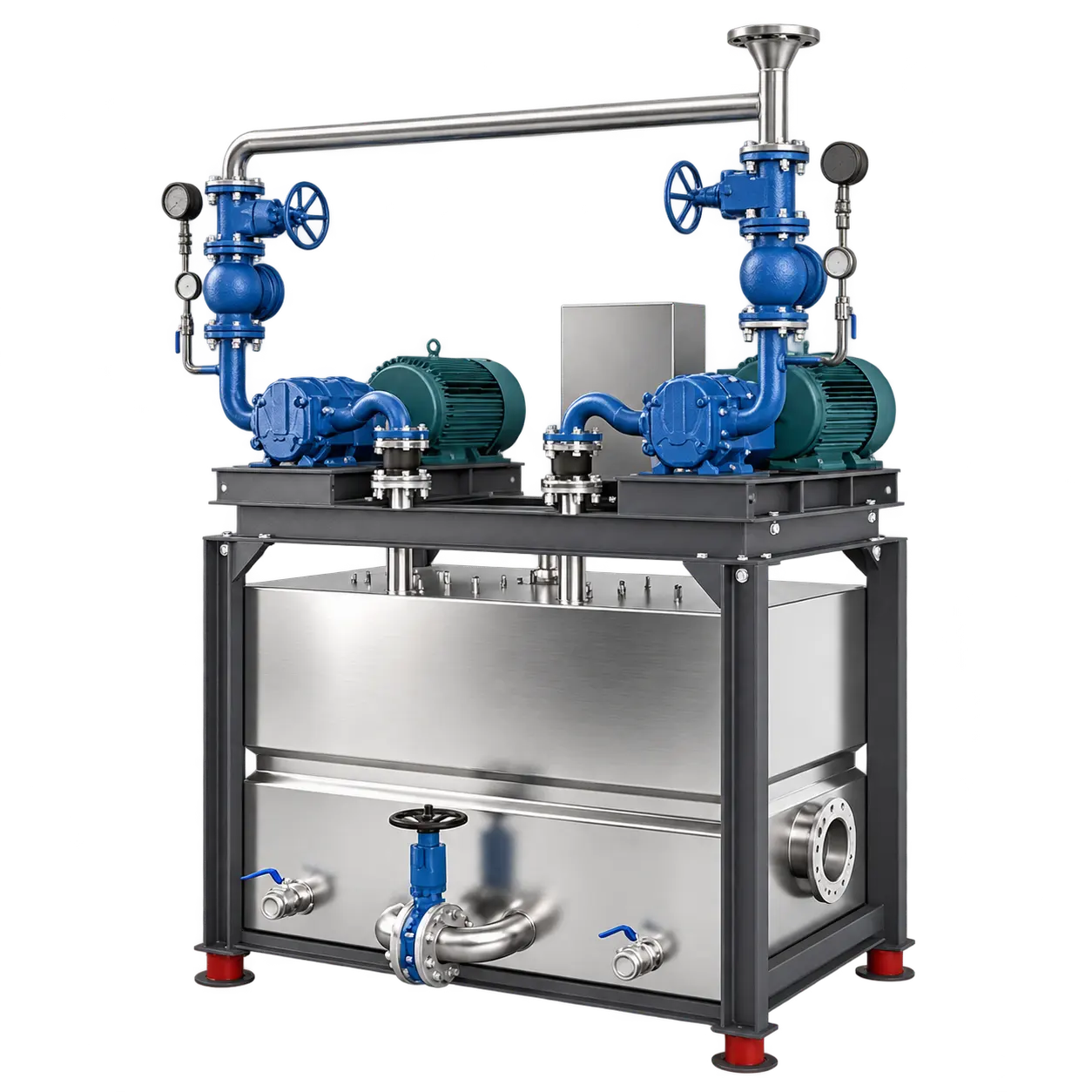
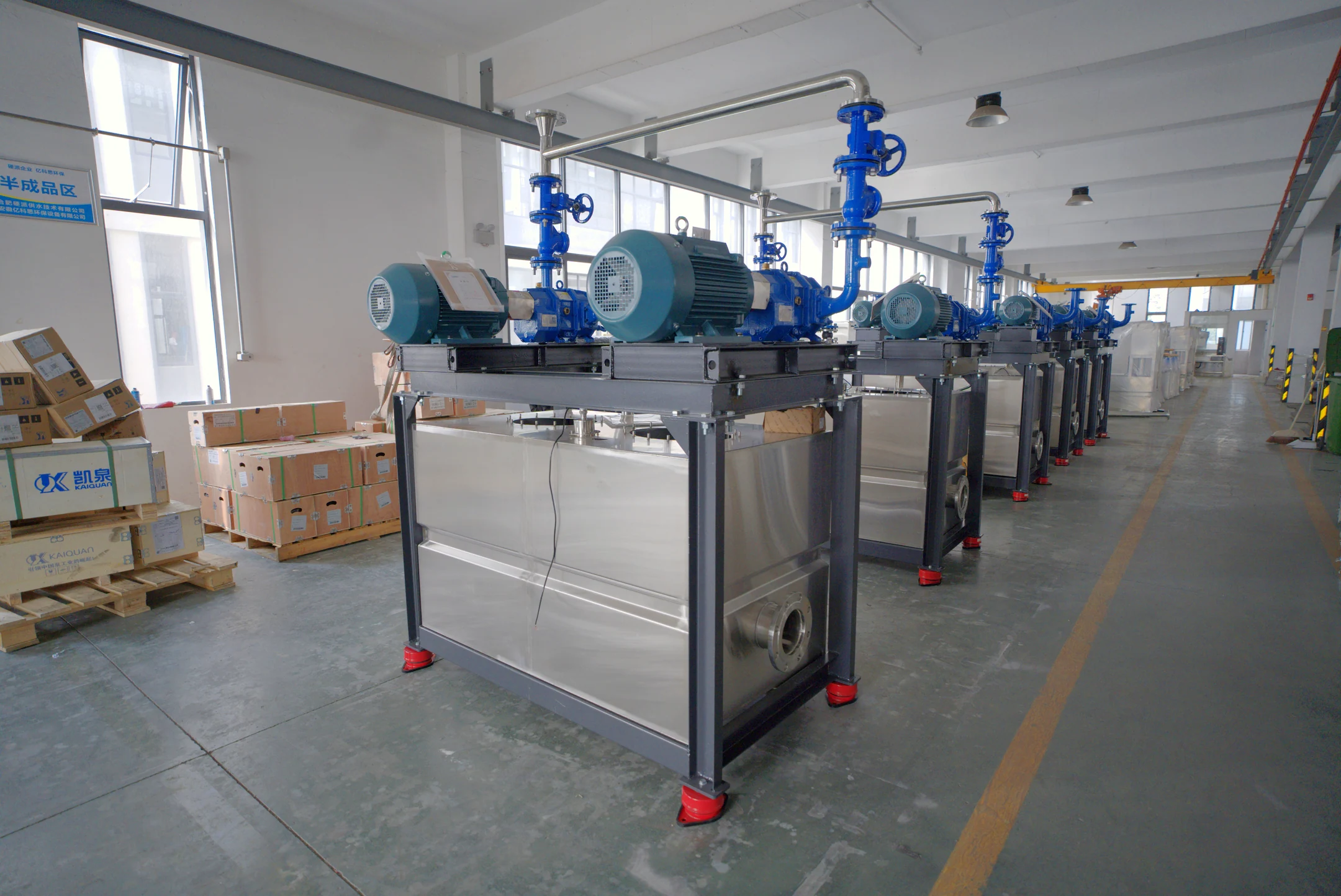
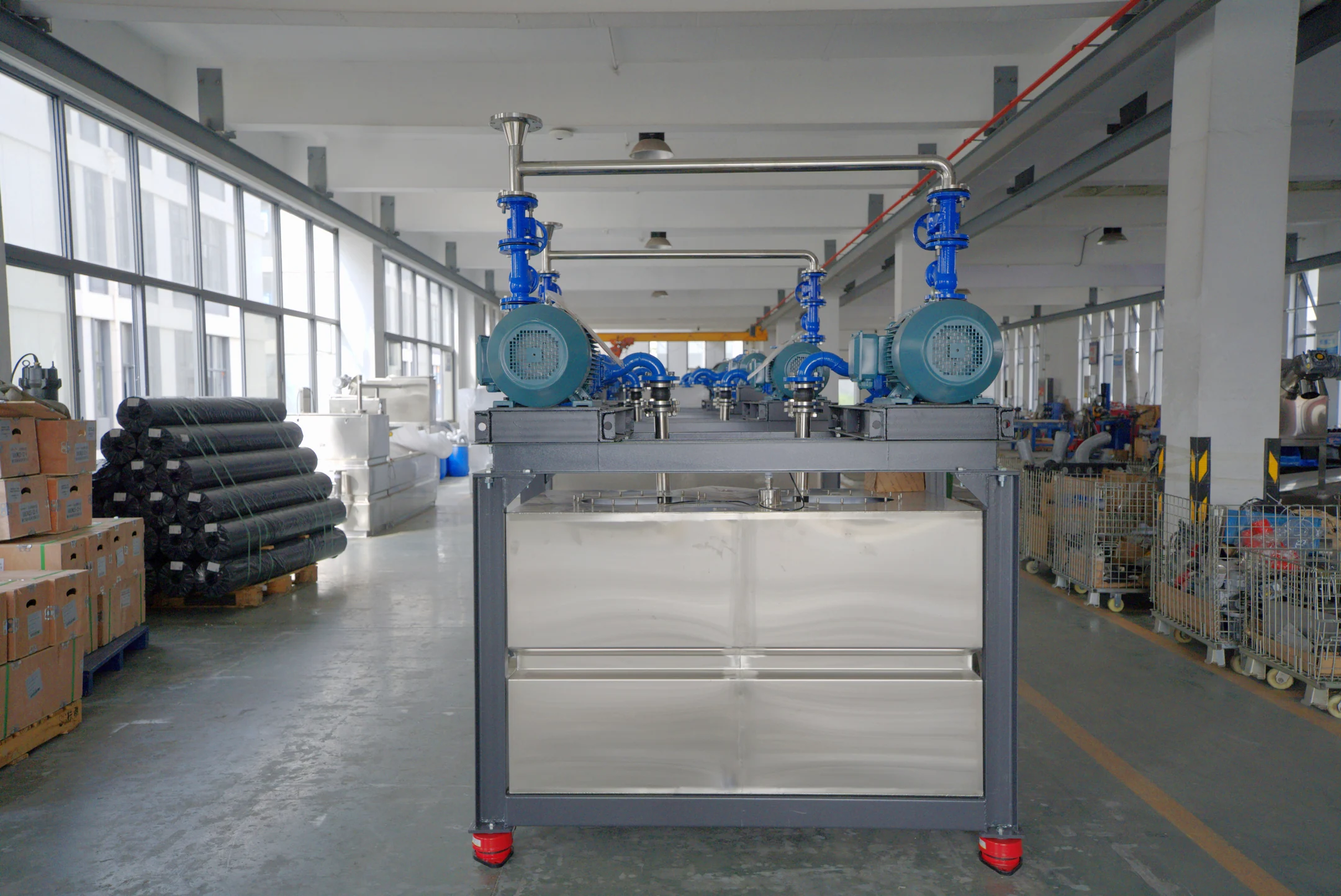
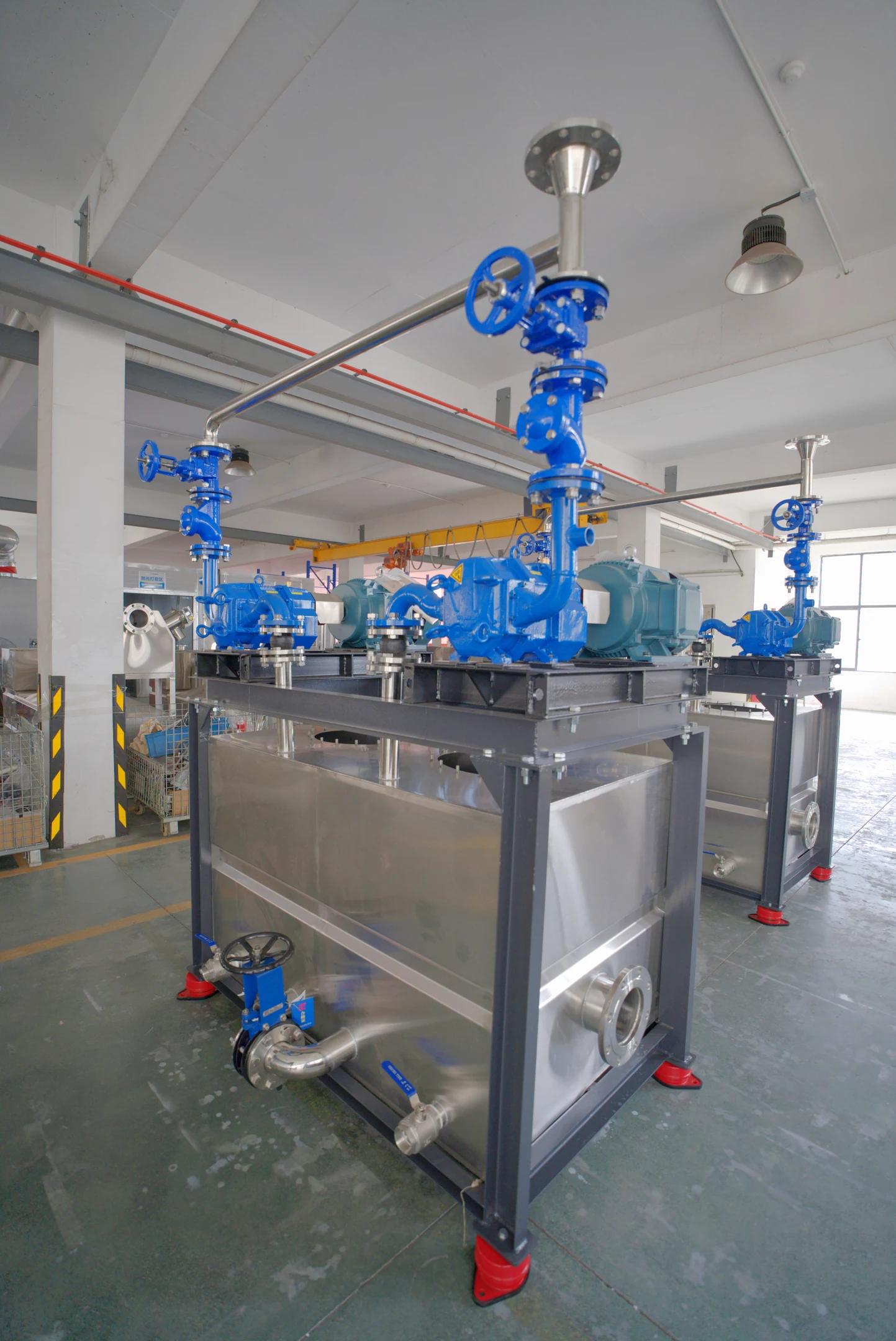
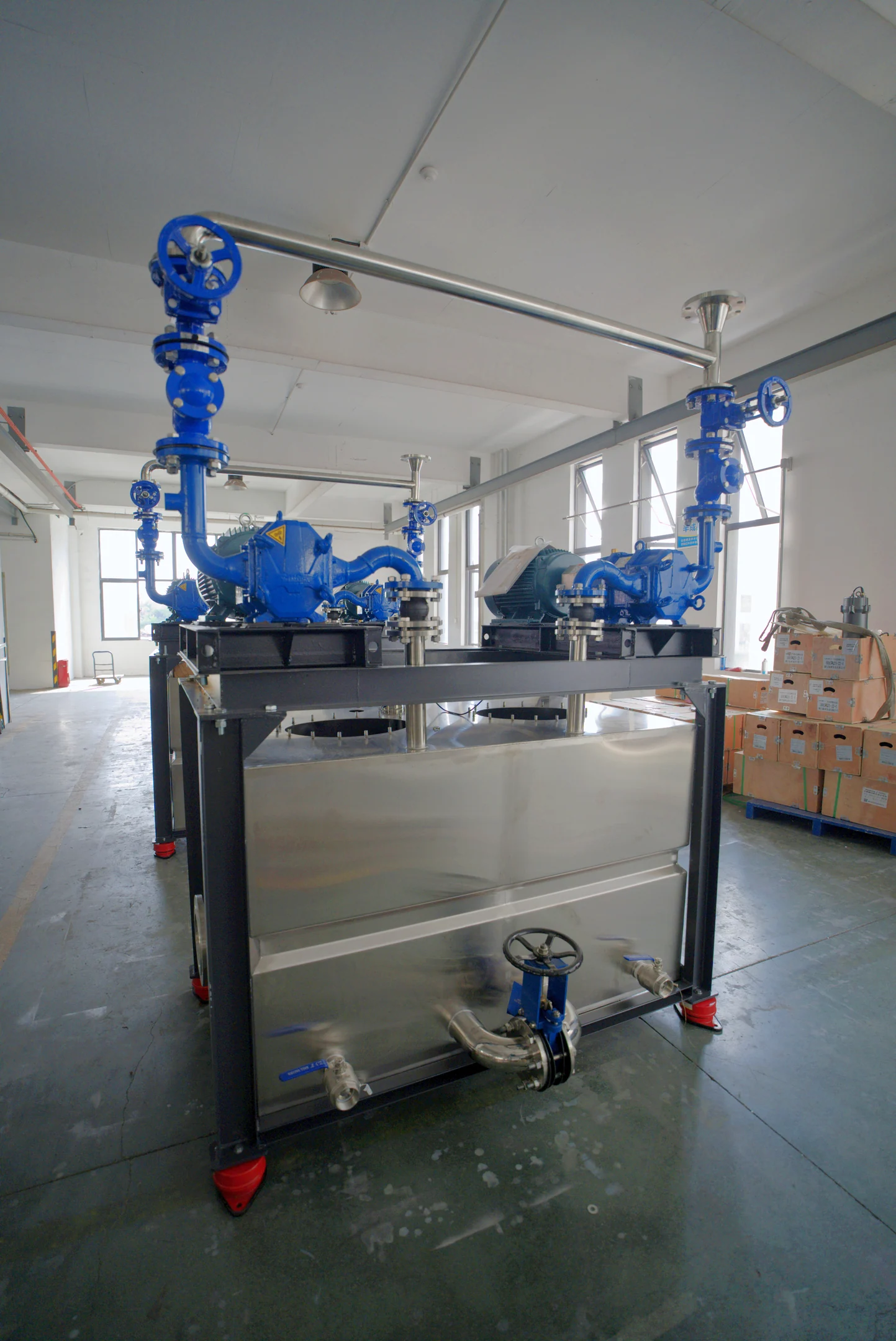
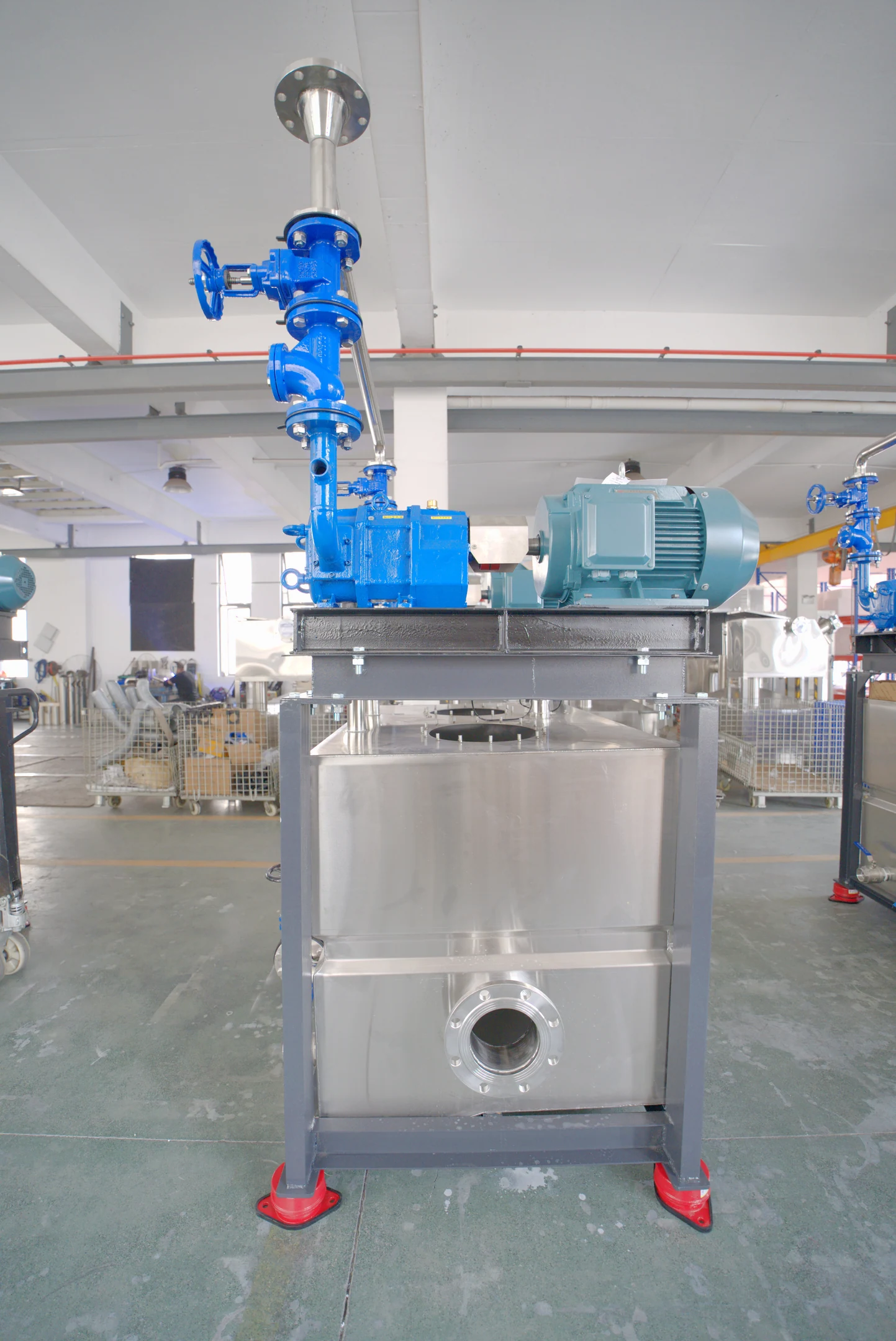
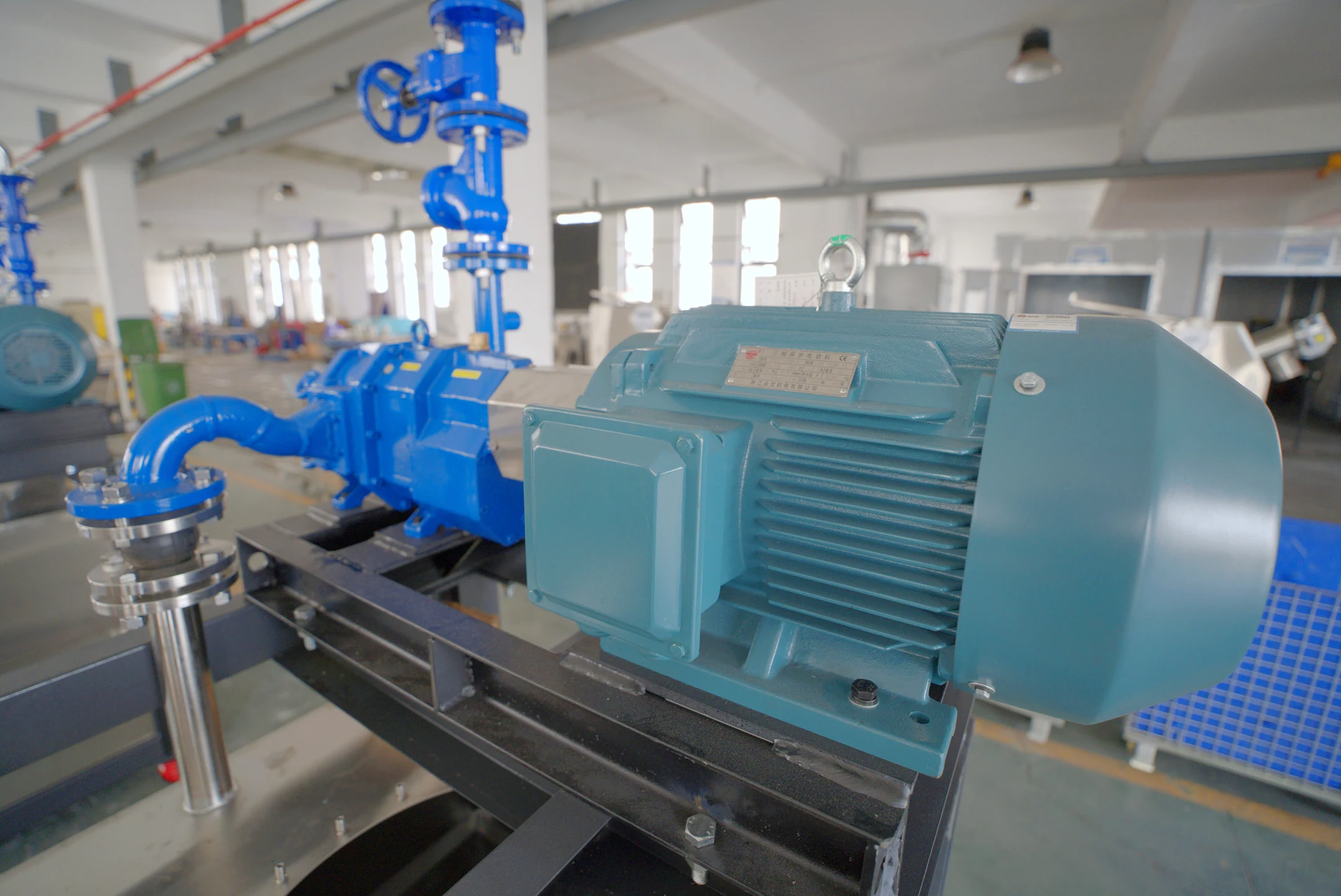
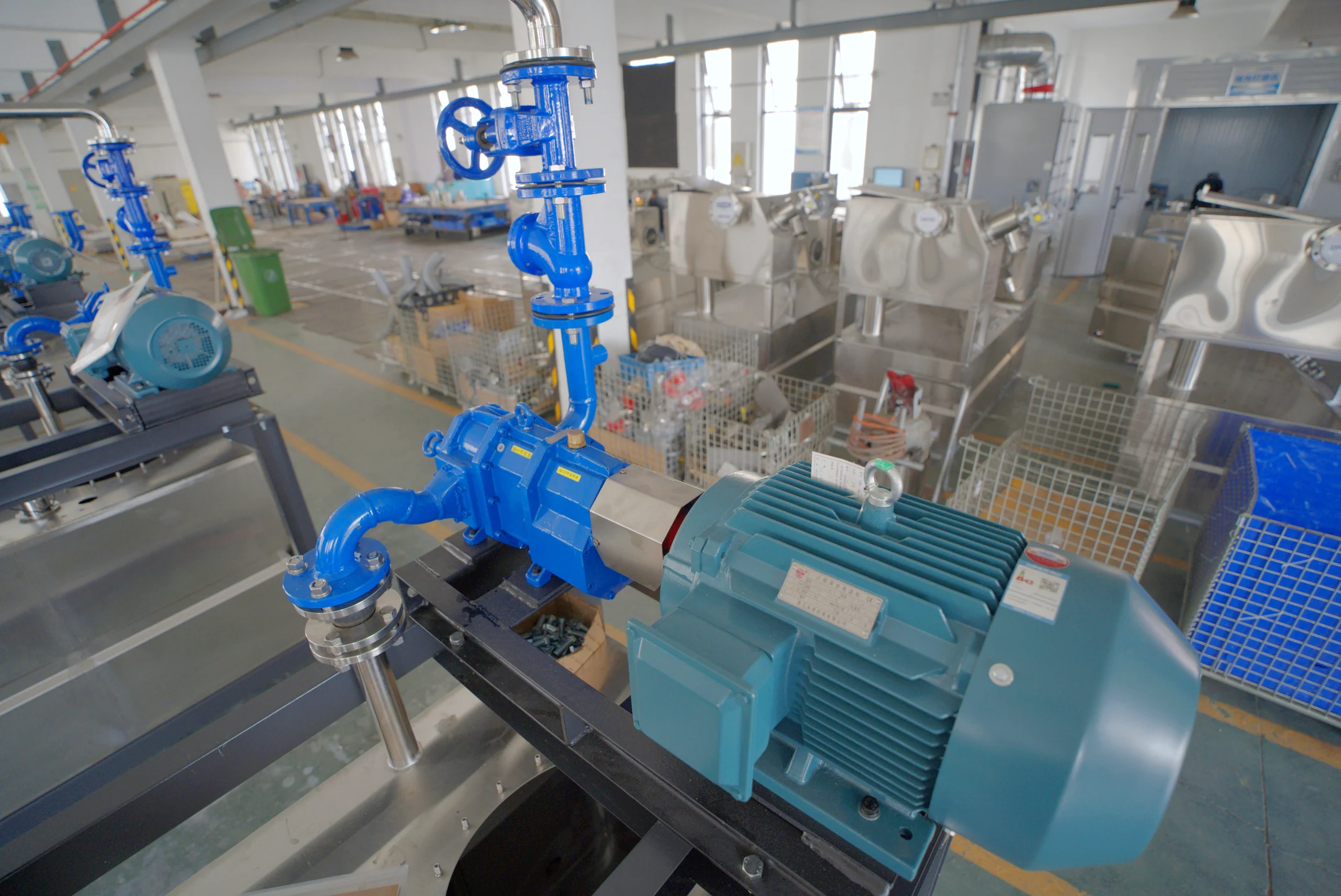
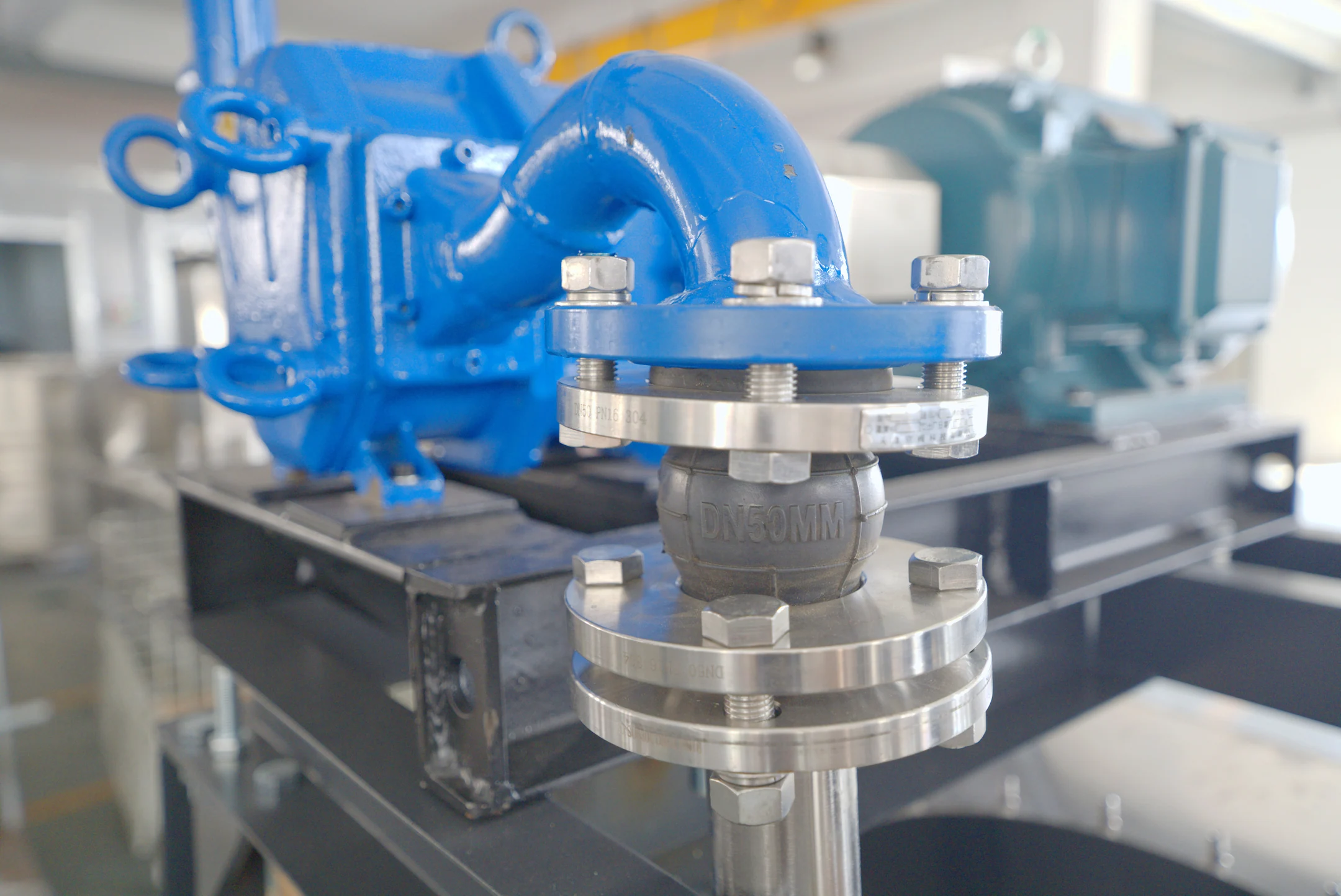
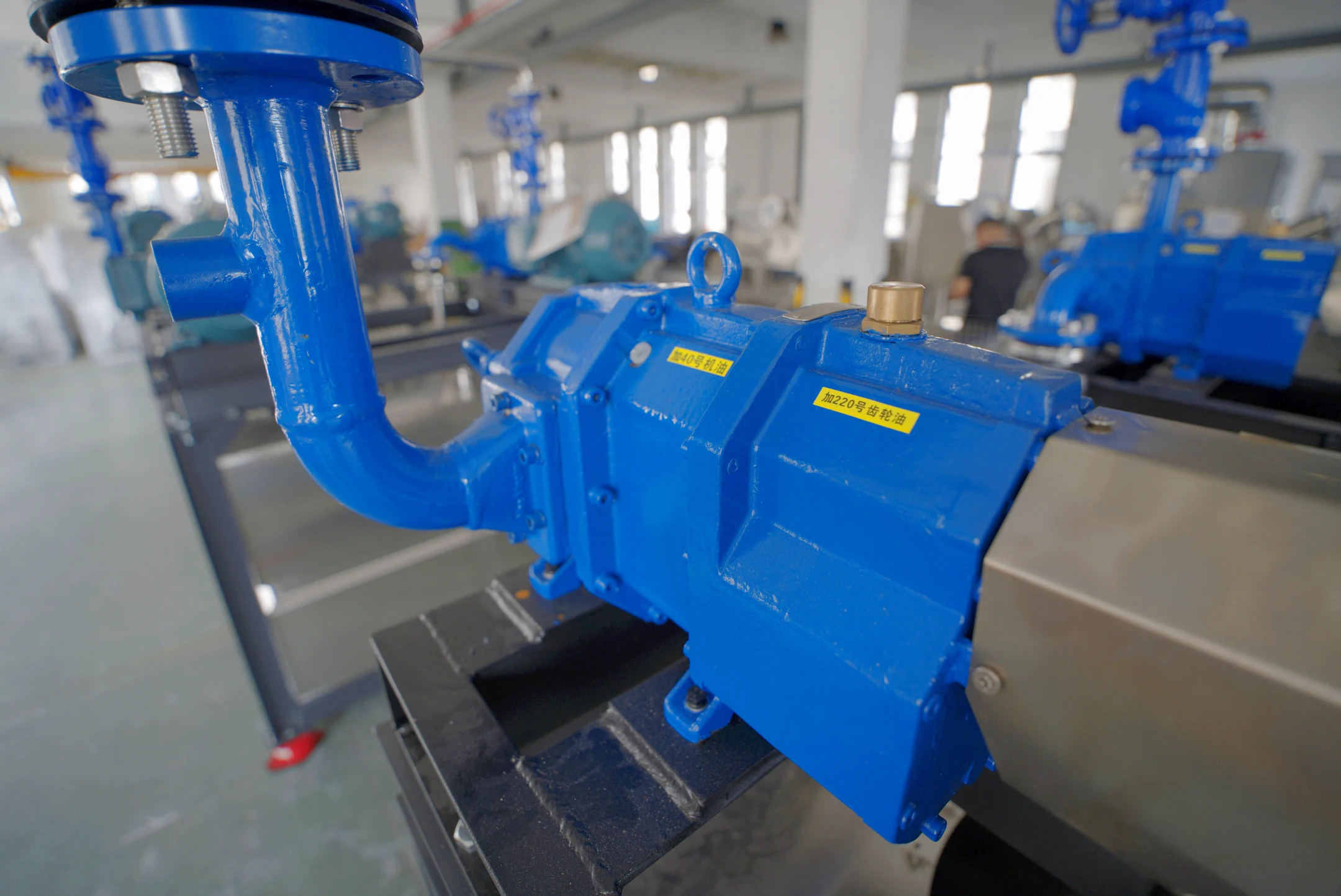
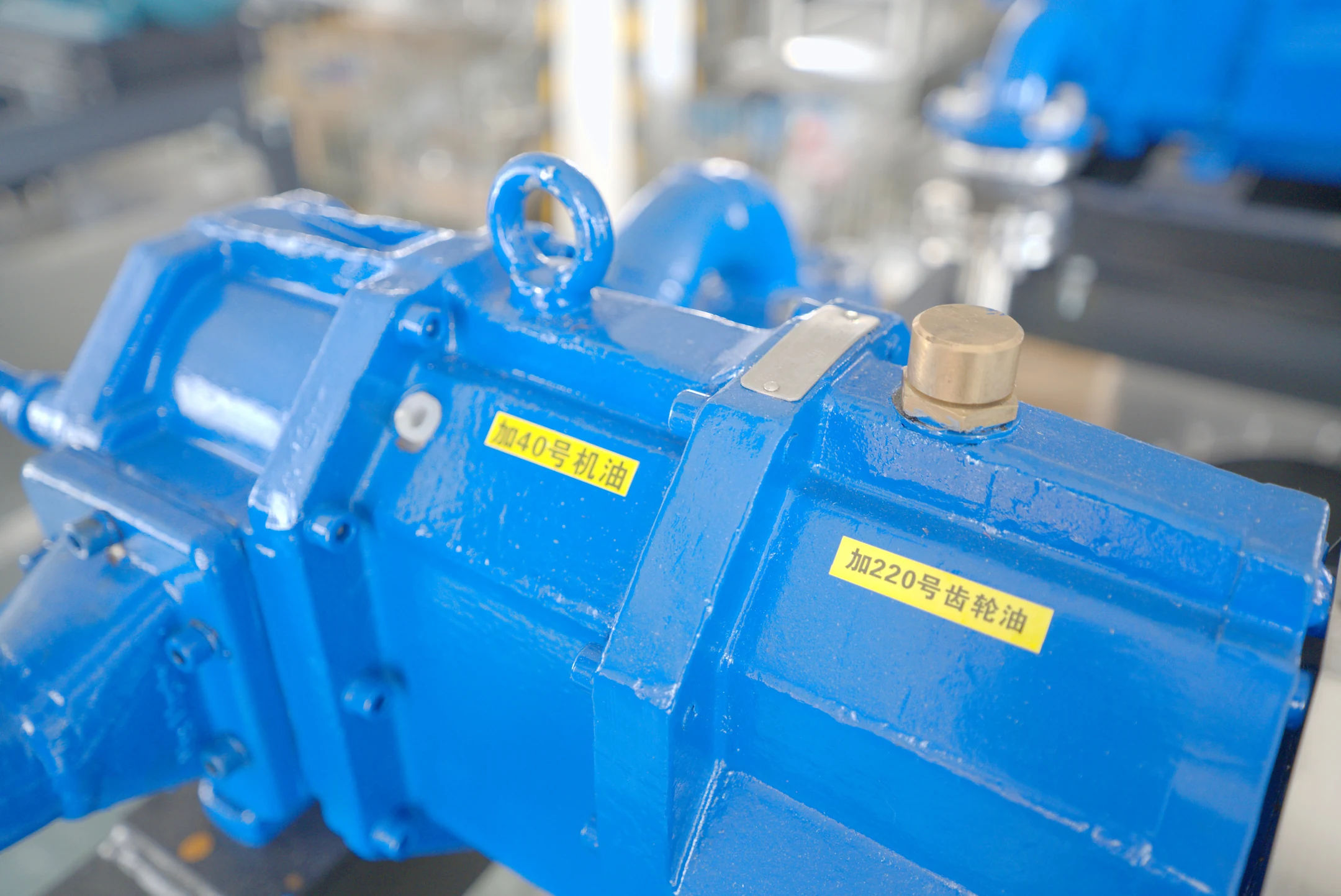
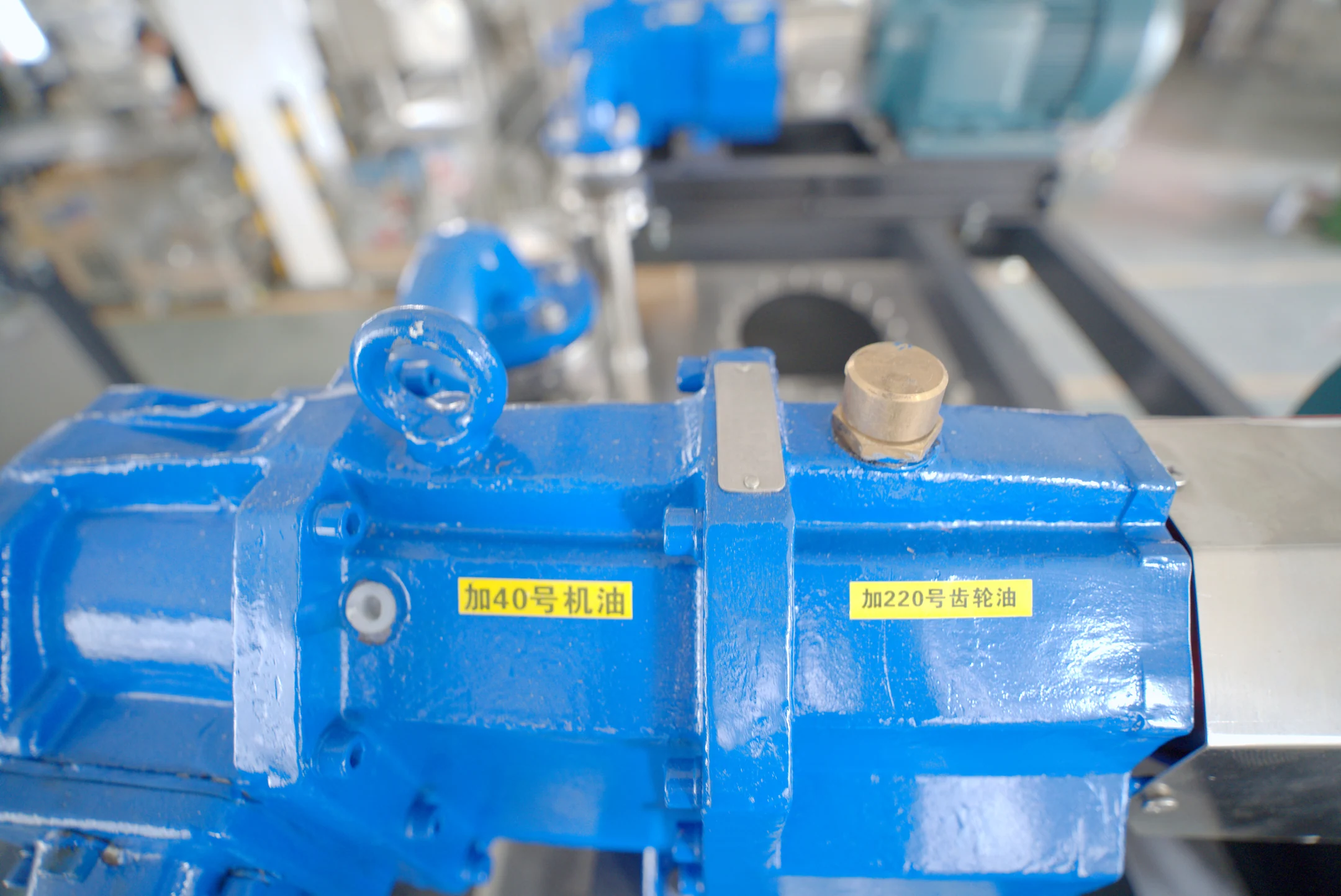
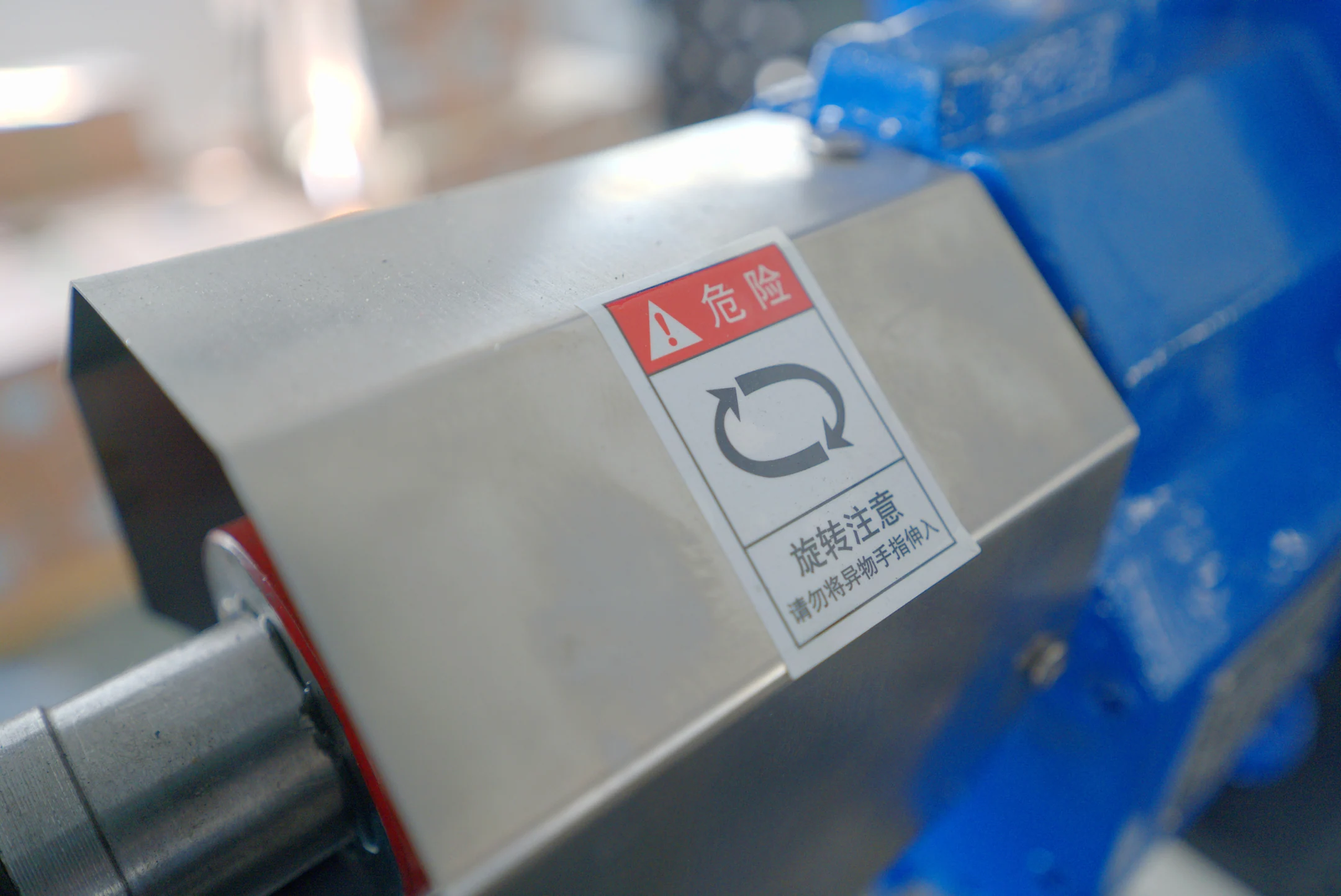
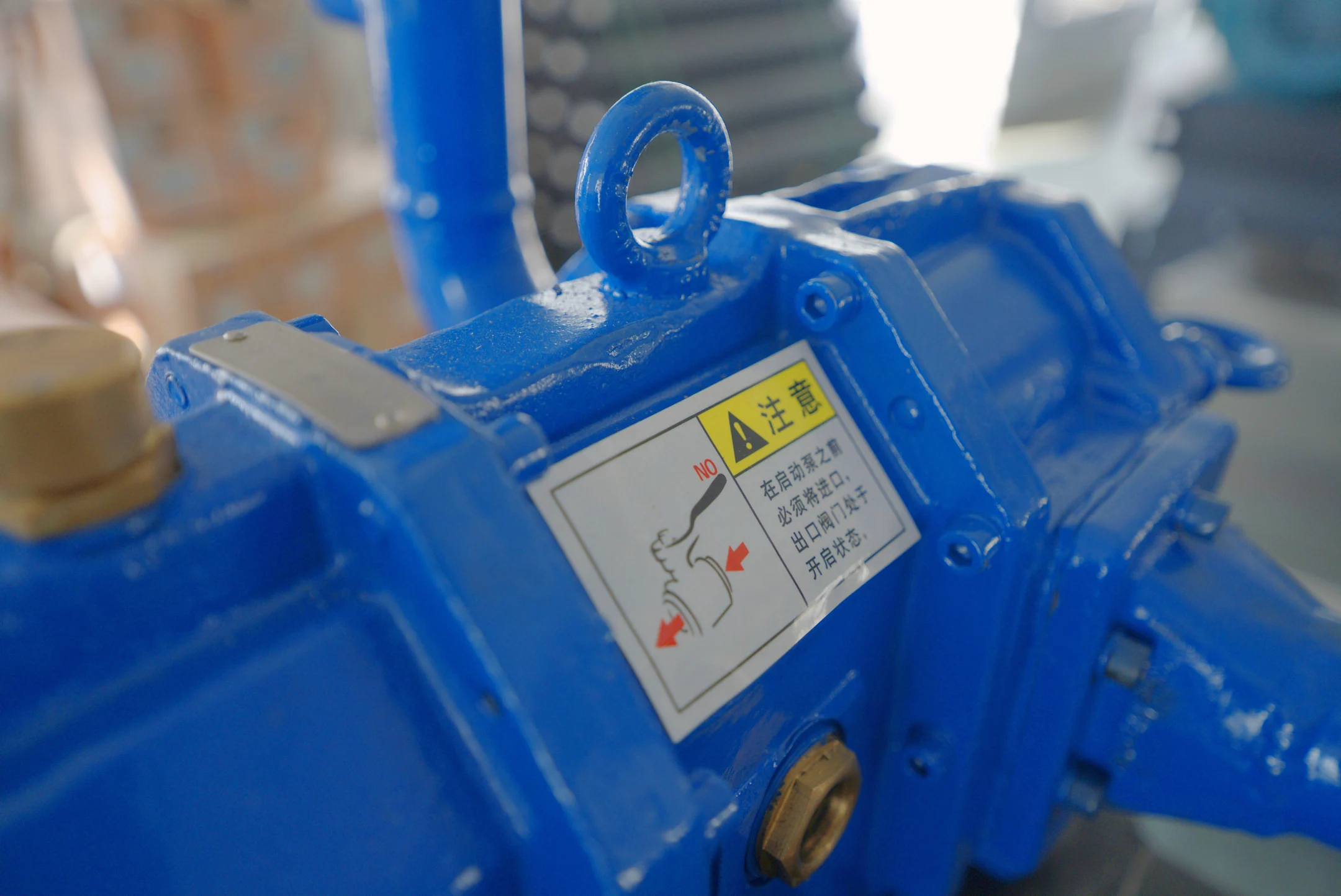
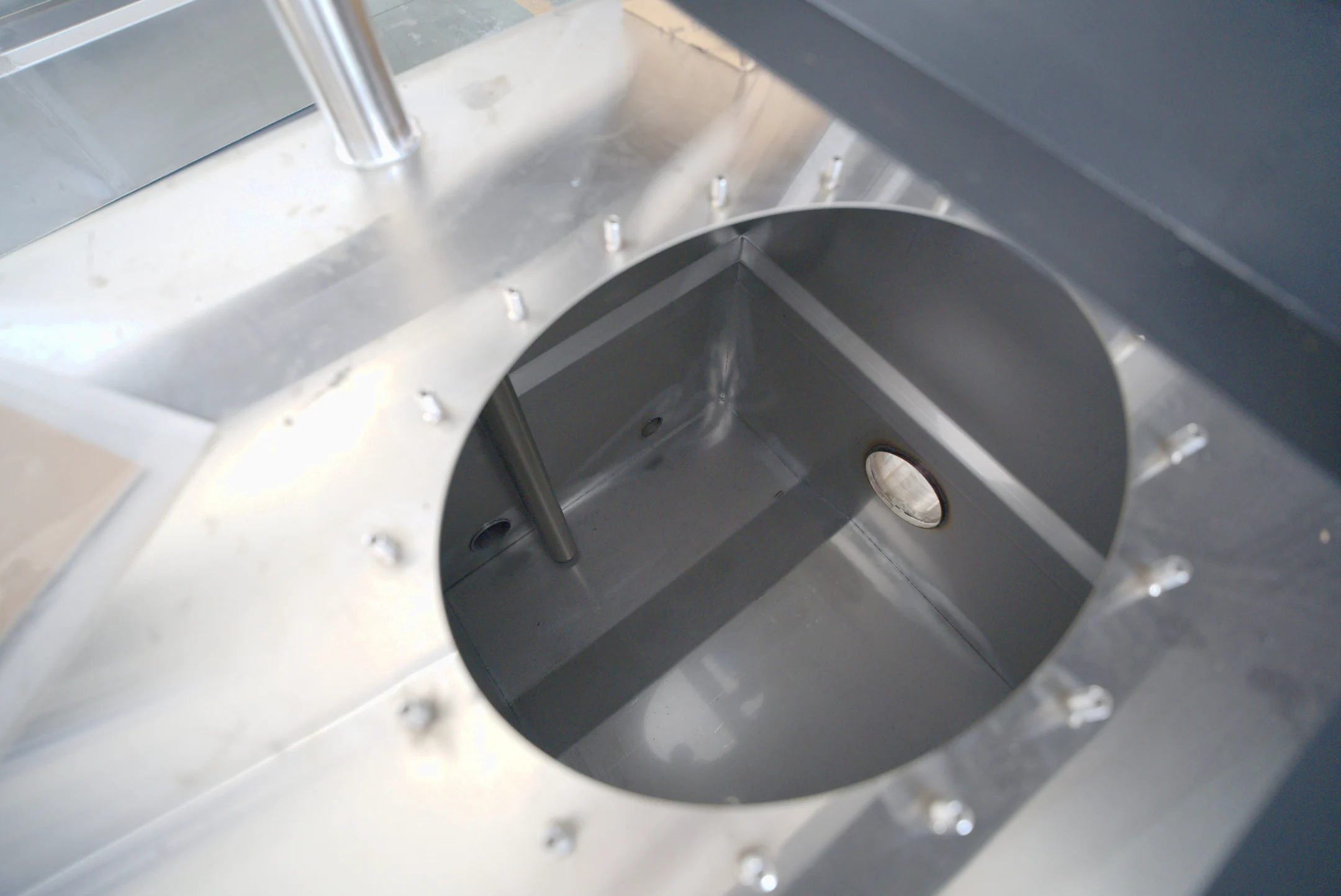
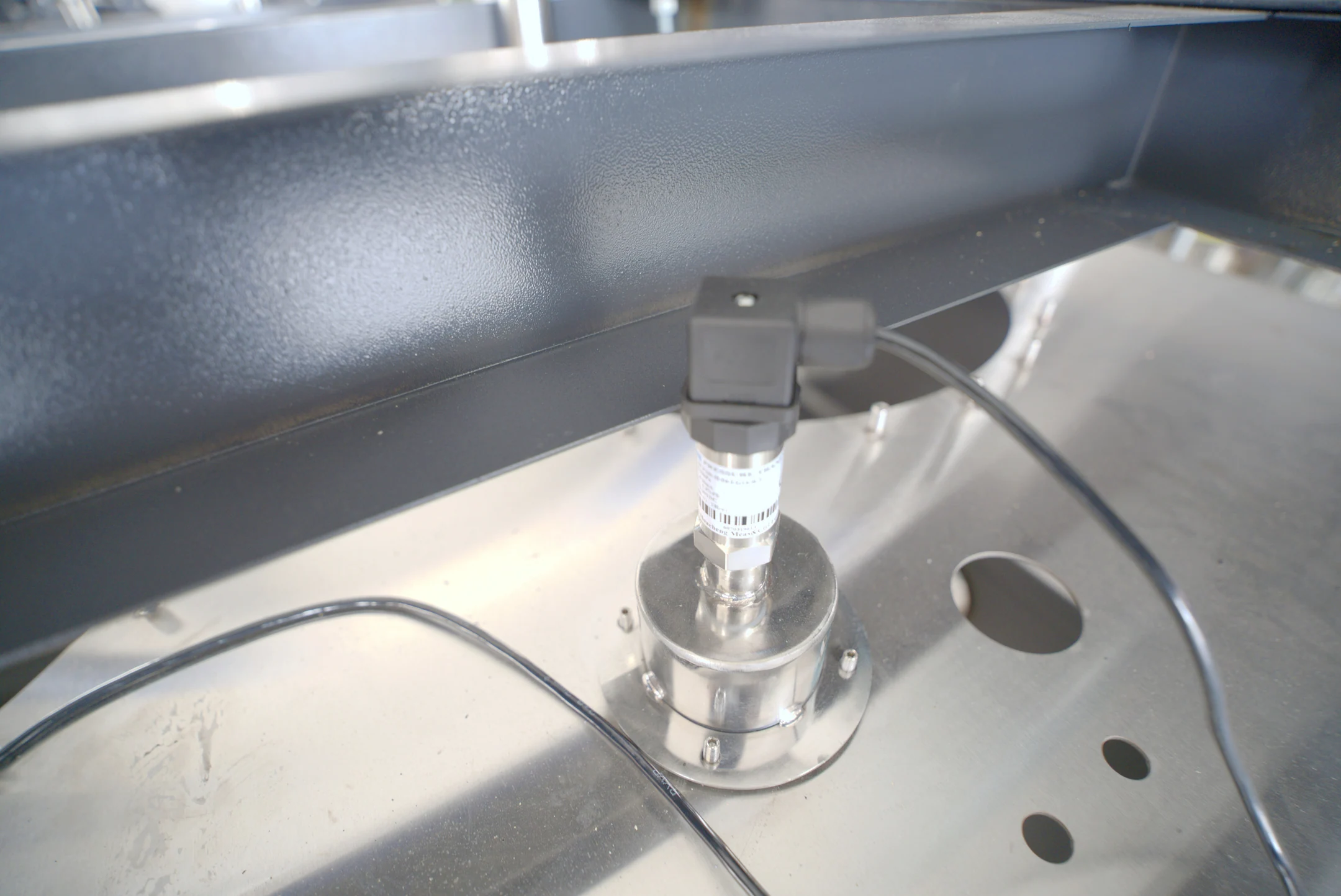
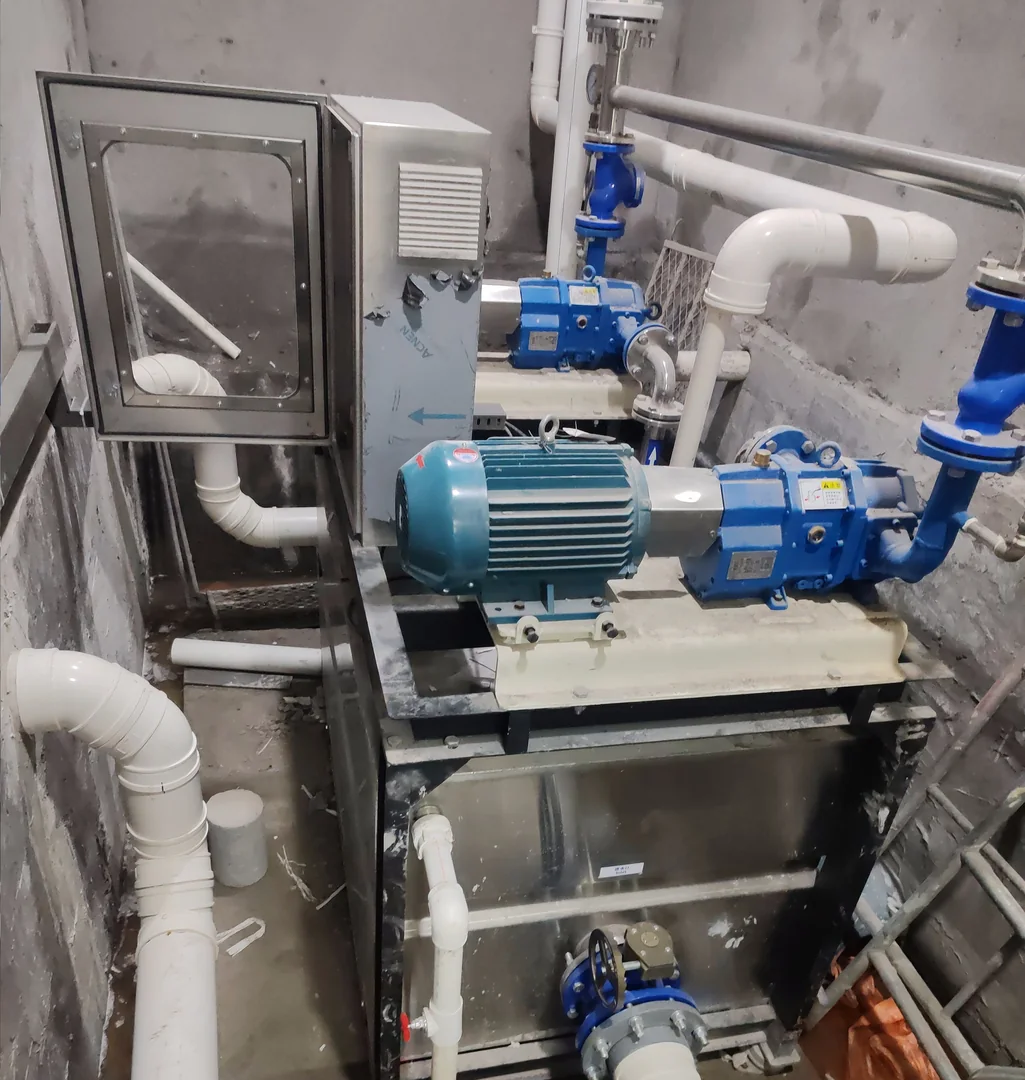
The tank, level sensing, controls, rotary lobe pumps and pipework work as one. External pumps and valves provide direct access for inspection and service.
- 01
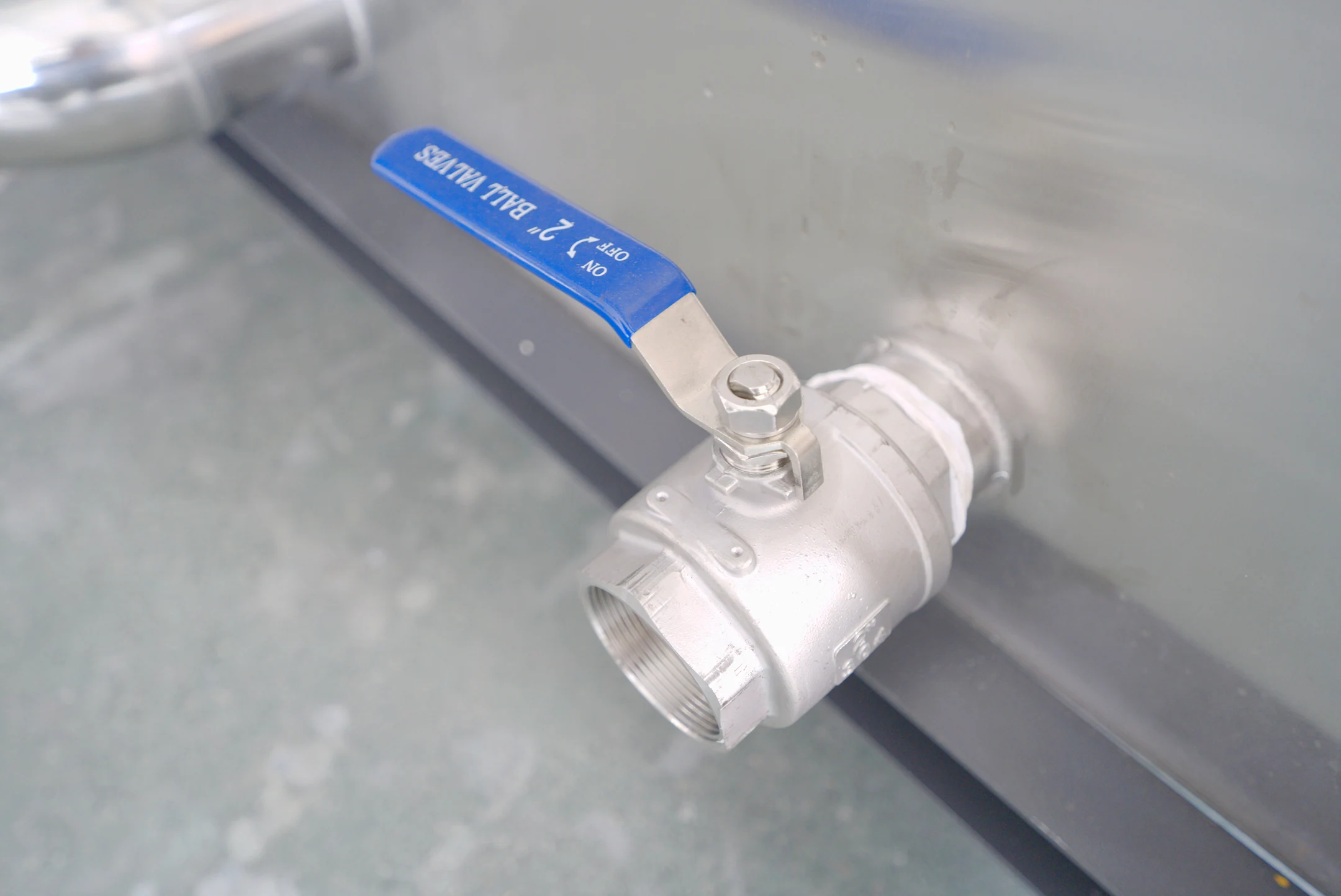
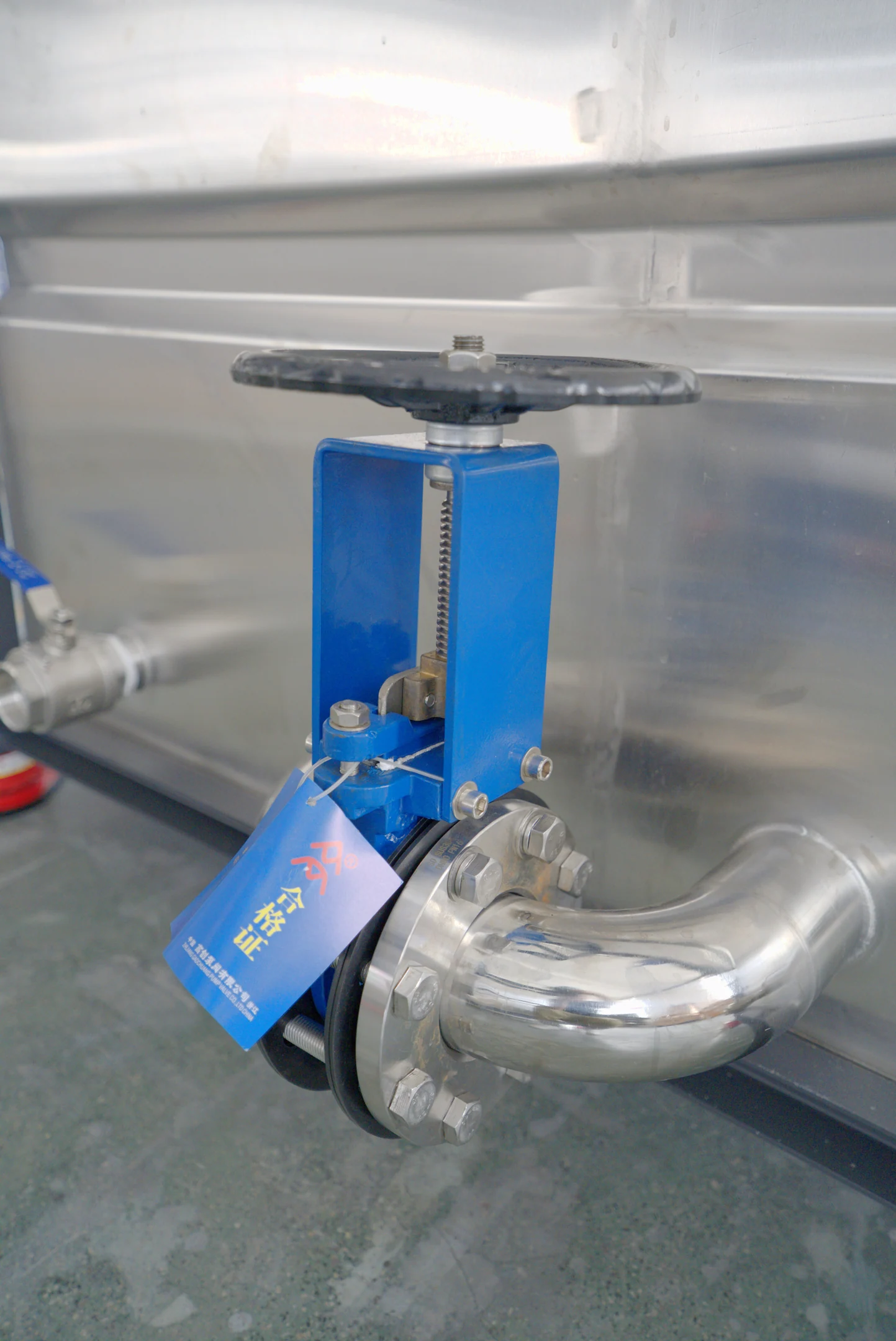
Pipework and valves
Flow and isolation, coordinated
- 02
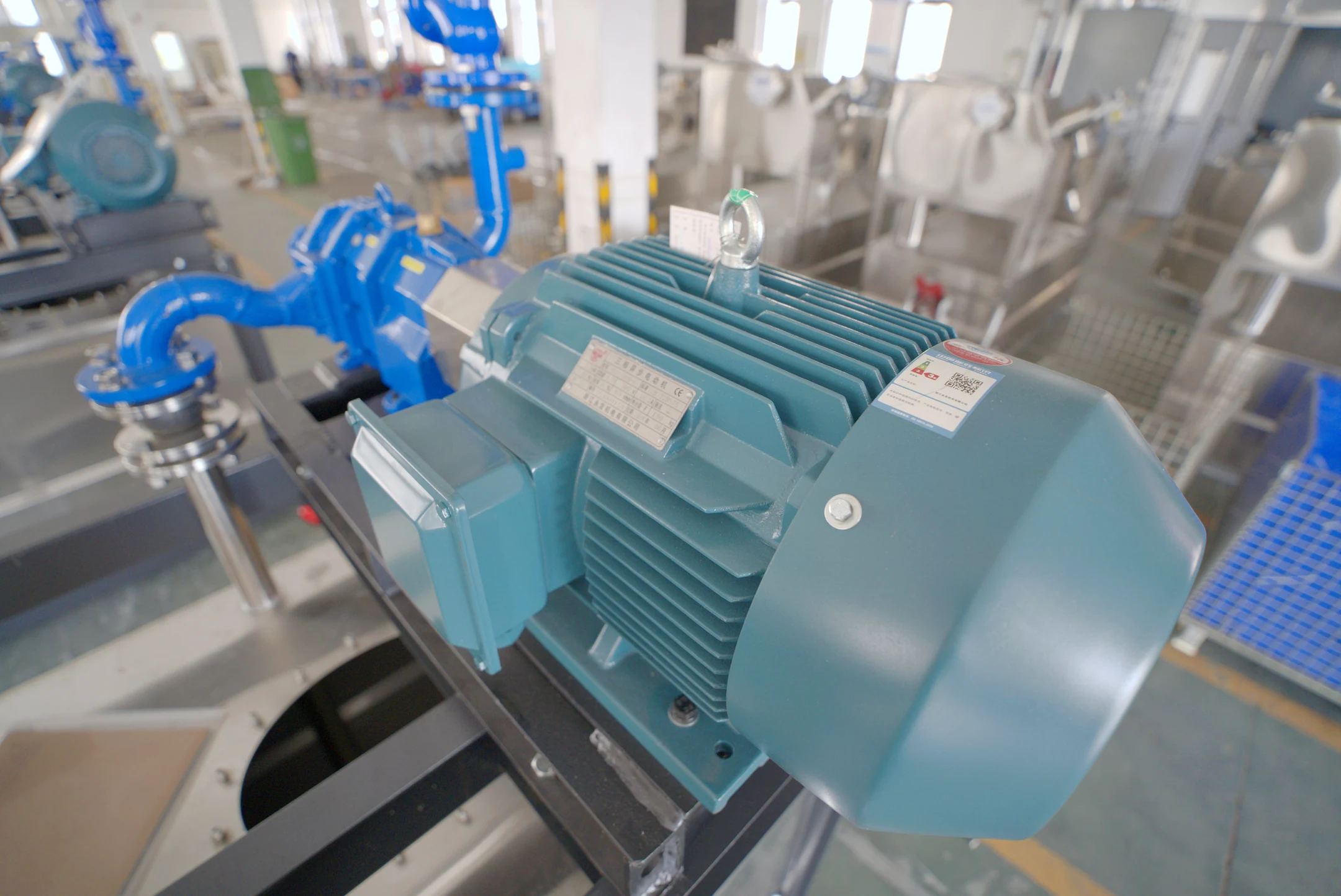
External lobe pumps
Lift wastewater, access for inspection
- 03
Enclosed collection tank
Collect low-level wastewater
- 04
Control cabinet
Link level signals to pump operation
- 05
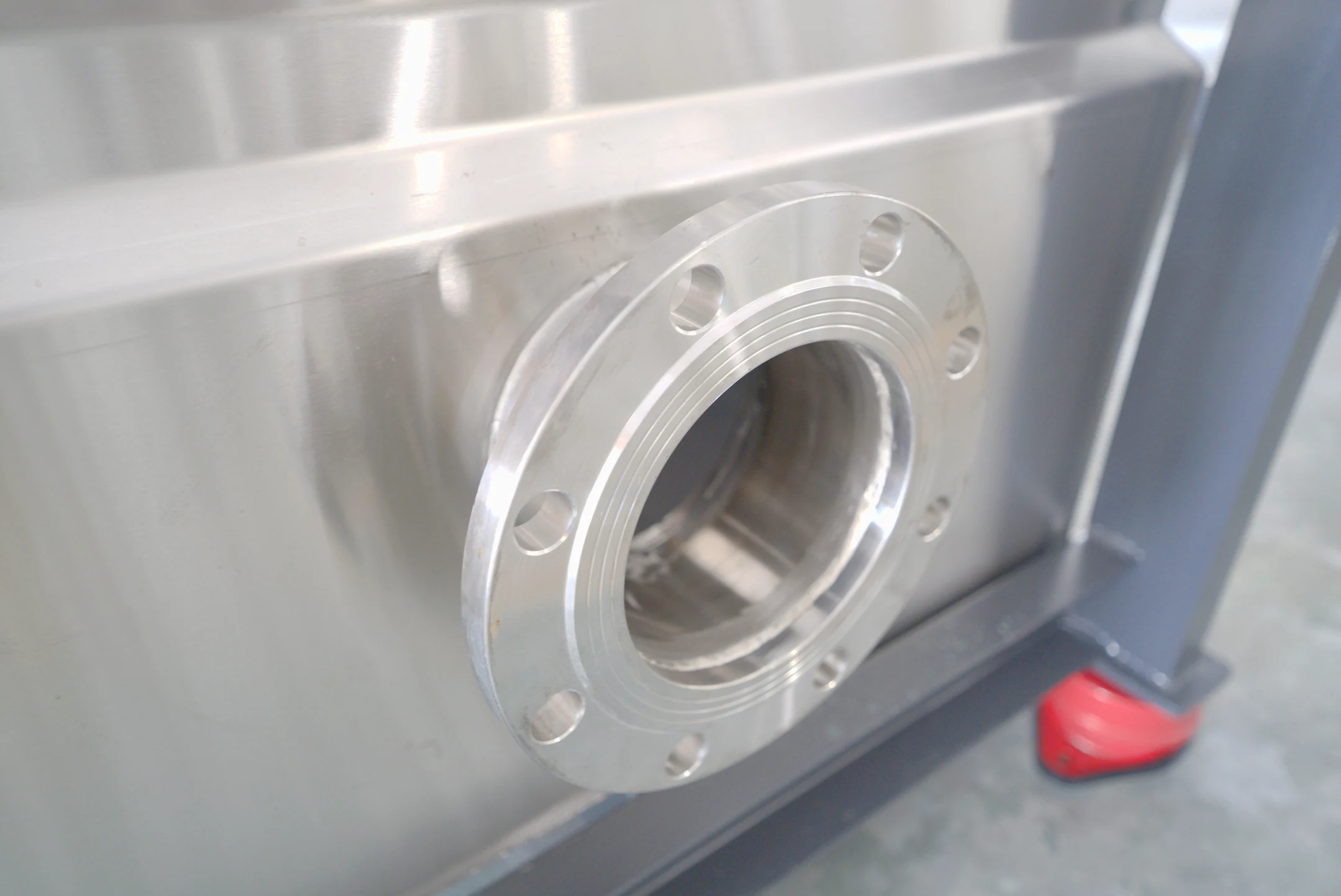
Side flange connection
Connect to site pipework
- 06
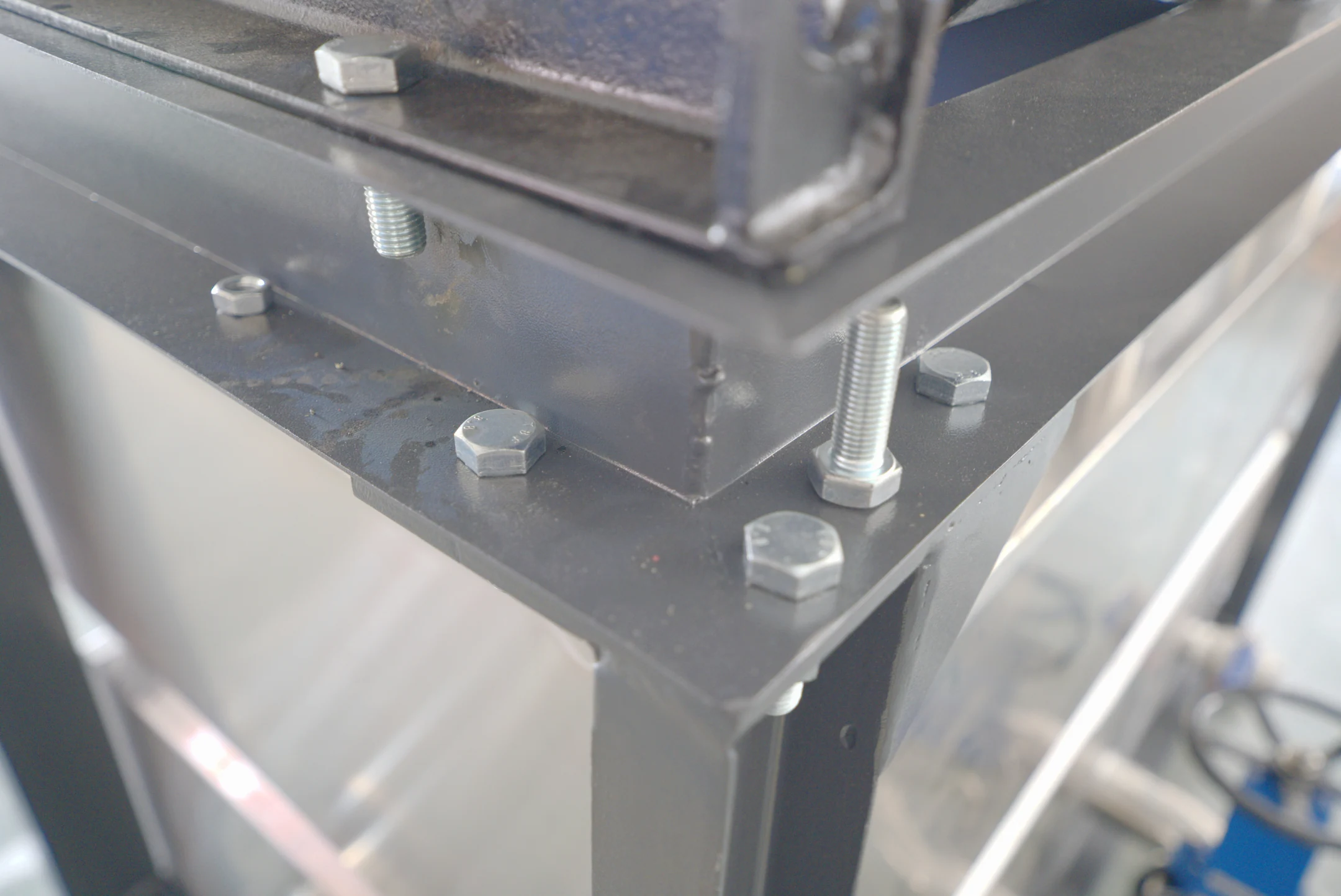
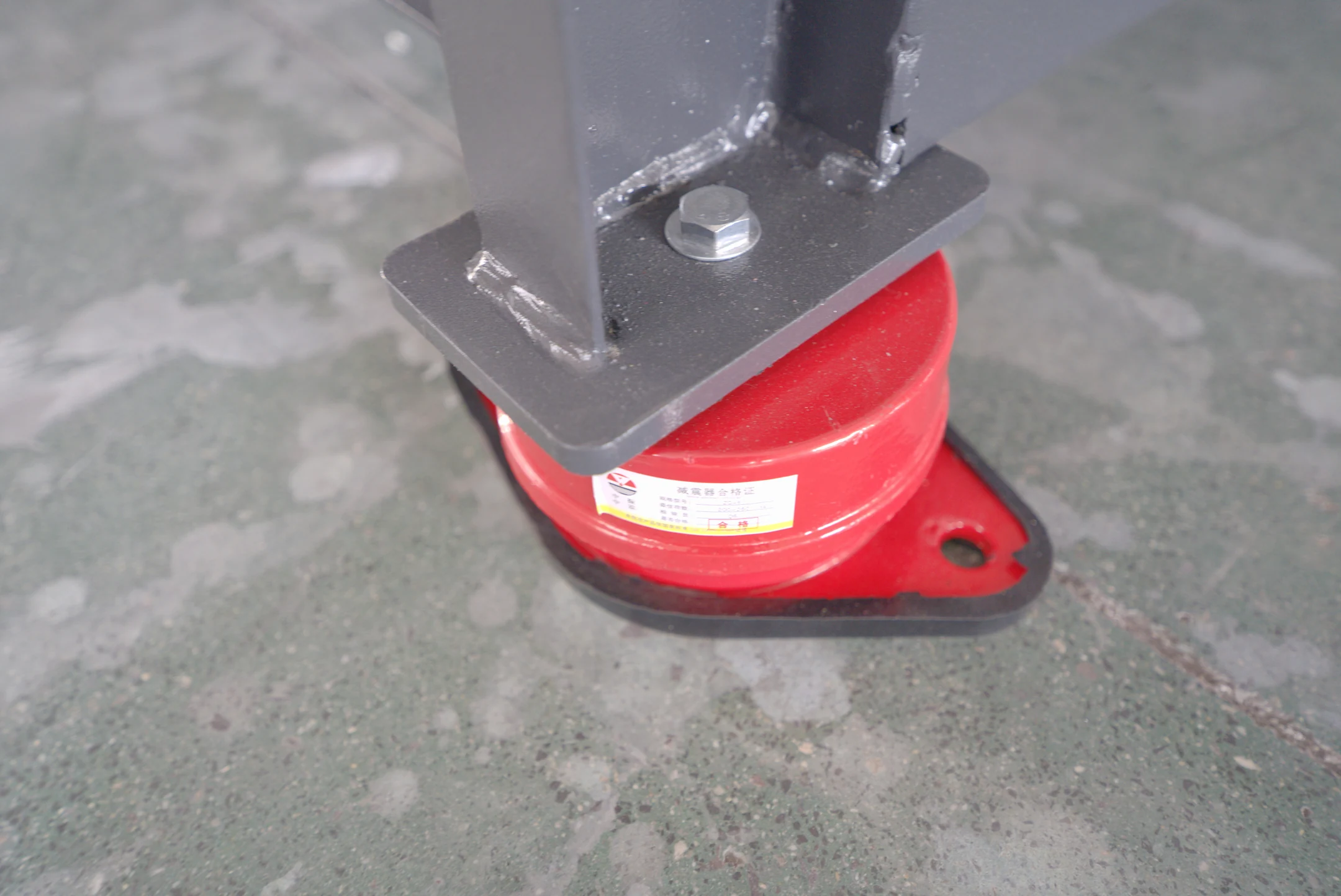
Frame and isolation feet
Support and installation
03 / CONTROLLED OPERATION
As the level changes.
The system responds.
Level signals connect collection to discharge. The pump starts at the set level and stops as the water falls.
Gravity inlet
Wastewater flows by gravity from low-level drainage points into the unit.
Enclosed collection
Wastewater collects in the tank. Level sensors send signals to the control cabinet.
Pump start and lift
At the start level, the controller starts the rotary lobe pump to lift wastewater to the building drainage main.
Stop at the set level
The pump stops automatically at the stop level, ready for the next drainage cycle.
Twin-pump configurations can include duty alternation, standby logic, high-level and fault alarms to suit the project.
04 / PROJECT SELECTION
Every building.
Its own solution.
Start with the actual duty. Consider flow, head, effective volume and installation conditions together to fit the project.
- Water supply conditions
- Wastewater source, peak drainage flow, and solids type and size.
- Drainage route
- Inlet and outlet elevations, lift height, pipe run, diameter and routing.
- Pumps and controls
- Select pump types, quantity and level sensing for the duty. Add standby pumps, high-level and fault alarms to project requirements.
- Installation and access
- Confirm space, delivery access, power and ventilation. Allow room to service pumps and valves.
Flow, head, power, dimensions and connections are defined in the approved selection sheet and drawings.
05 / APPLICATIONS
People moving forward.
Wastewater moving up.
For low-level drainage in rail stations. Collect wastewater from toilets and cleaning rooms in a closed system, then lift it to the station drainage network.
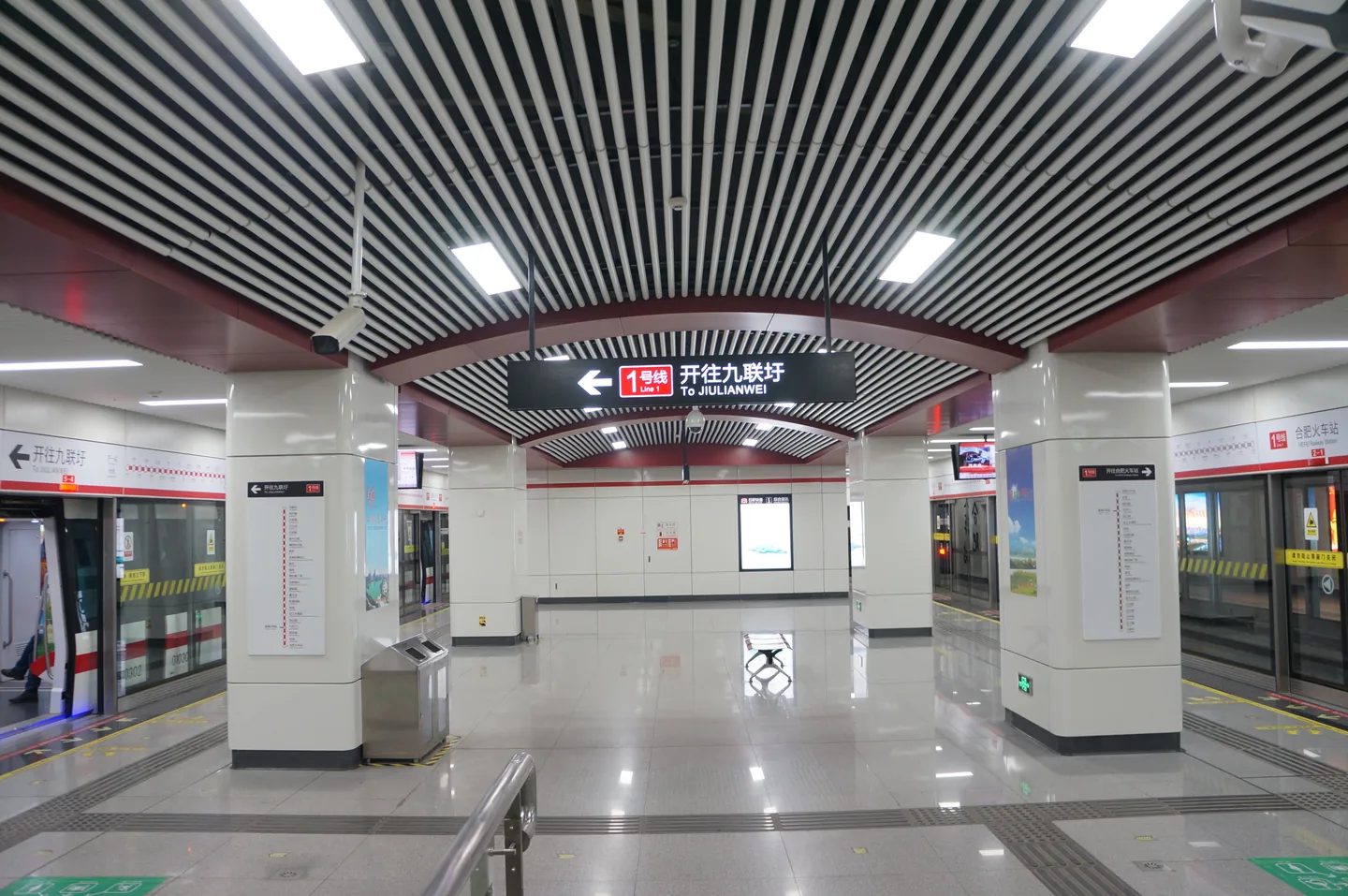
Metro stations
For low-level wastewater collection and lifting in underground concourses, platform toilets and cleaning rooms.
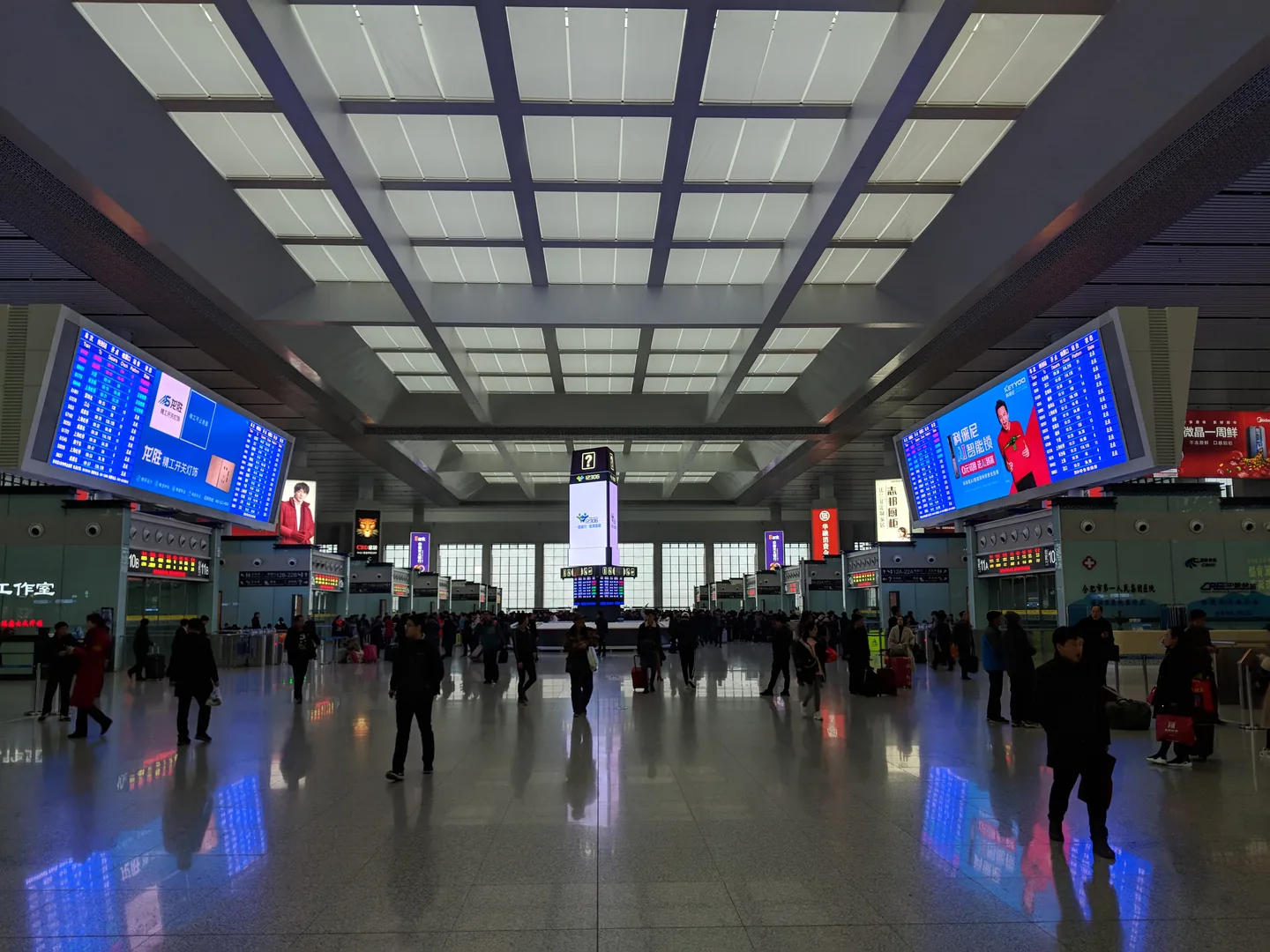
High-speed rail and transport hubs
For transfer levels and underground passage facilities where gravity drainage is unavailable.
Station requirementsSize for peak passenger-period drainage, connection elevations and plant room space, allowing access to pumps and valves.
Other low-level spacesAlso selectable for underground retail, public venues, pools and shower areas according to actual drainage conditions.


EPANEL / PROJECT CONSULTATION
The next drainage project.
Starts with a considered plan.
Bring your flow, lift height and available space.
Find the right configuration with EPANEL.